

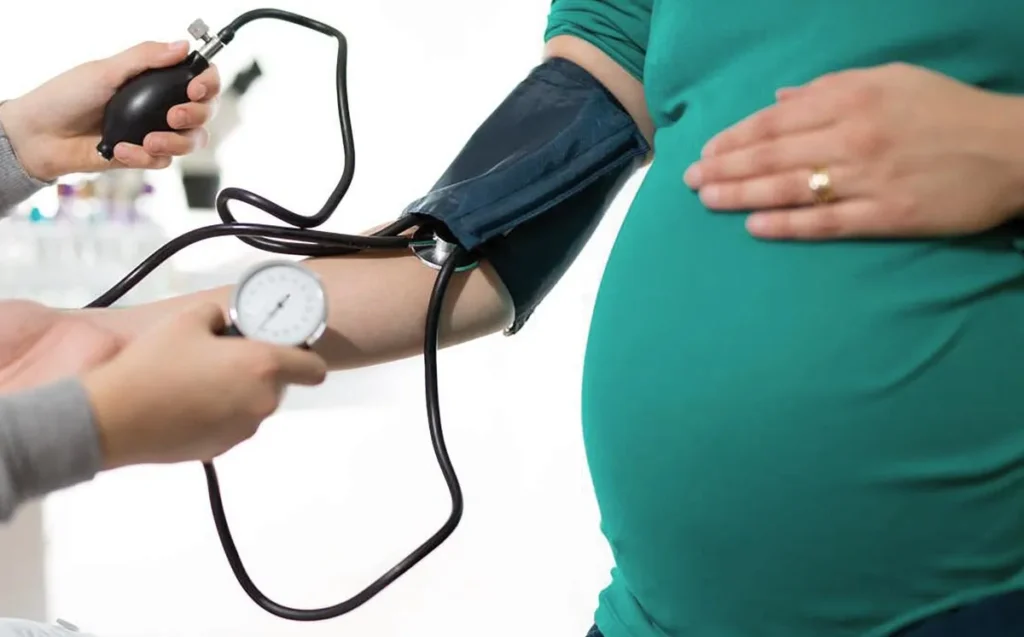
At Prime Multispeciality Hospital, we prioritize the well-being of women through our comprehensive Obstetrics and Gynaecology services. With a commitment to excellence in women’s healthcare, our dedicated team of obstetricians, gynaecologists, and support staff provides compassionate and personalized care at every stage of a woman’s life journey. From routine check-ups and preventive screenings to managing high-risk pregnancies and complex gynaecological conditions, we offer a wide range of services tailored to meet the unique needs of each patient. At Prime Multispeciality Hospital, we understand the importance of fostering a supportive and nurturing environment where women feel empowered to make informed decisions about their health. With state-of-the-art facilities and advanced medical technologies, we strive to ensure the highest standards of care, safety, and comfort for women across all ages and life stages. Trust us to be your partner in promoting women’s health and wellness, providing expert care with compassion and respect every step of the way.
Ectopic Pregnancy
Ectopic pregnancy occurs when a fertilized egg implants outside the uterus, most commonly in a fallopian tube. Treatment options include medication (methotrexate) to dissolve the pregnancy tissue and preserve the fallopian tube, or surgical intervention (laparoscopic surgery) to remove the ectopic pregnancy and repair or remove damaged tissue to prevent future complications and preserve fertility.
High Risk Pregnancies and Prenatal Complications
High-risk pregnancies involve conditions that pose potential risks to the mother, fetus, or both. These may include maternal age (very young or older mothers), pre-existing medical conditions (like diabetes or hypertension), multiple pregnancies (twins or more), previous pregnancy complications (preterm birth, preeclampsia), or fetal abnormalities. Management typically includes specialized prenatal care with frequent monitoring, diagnostic tests (like ultrasound and fetal monitoring), interventions to manage conditions (such as medication or bed rest), and sometimes early delivery to ensure the best possible outcomes for both mother and baby.
Laparoscopic Gynaecological Surgeries
Laparoscopic surgeries utilize small incisions and a camera-equipped scope to diagnose and treat various gynaecological conditions, including ovarian cysts, fibroids, endometriosis, and dysfunctional uterine bleeding. This minimally invasive approach reduces recovery time, postoperative pain, and scarring compared to traditional open surgery. Surgeons can visualize internal organs in detail, perform precise procedures such as cyst removal, fibroid resection, or endometrial ablation, and patients often experience shorter hospital stays and quicker return to normal activities.
Pelvic Floor Disorders
Pelvic floor disorders encompass conditions such as pelvic organ prolapse (where pelvic organs drop from their normal position), urinary incontinence (involuntary leakage of urine), and fecal incontinence. Treatment options range from conservative approaches like pelvic floor exercises, lifestyle modifications, and pessaries (inserts to support pelvic organs) to surgical interventions like pelvic floor repair surgeries (colporrhaphy, sling procedures) aimed at restoring normal pelvic anatomy and function. Tailored treatment plans address symptoms and improve quality of life for affected individuals.
Infertility Support and Counselling
Infertility support involves comprehensive evaluations to diagnose the causes of infertility, which may include hormonal tests, imaging studies, and specialized procedures like hysterosalpingography (HSG) or laparoscopy. Treatment options vary and can include ovulation induction with medications, intrauterine insemination (IUI), or assisted reproductive technologies (ART) such as in vitro fertilization (IVF) and intracytoplasmic sperm injection (ICSI). Emotional counselling and support services are integral, providing guidance and coping strategies for individuals and couples navigating fertility challenges.
Hysteroscopy
Hysteroscopy is a minimally invasive procedure that involves inserting a hysteroscope (thin, lighted tube) through the vagina and cervix into the uterus. It allows gynaecologists to visually examine the uterine cavity and diagnose or treat conditions such as uterine fibroids, polyps, abnormal bleeding, and intrauterine adhesions.
Laparoscopy
Laparoscopy in gynaecology refers to minimally invasive surgery performed using a laparoscope, a slender instrument equipped with a camera and light source. It enables surgeons to diagnose and treat various gynaecological conditions including endometriosis, ovarian cysts, and pelvic pain. Laparoscopic procedures typically involve smaller incisions, reduced recovery times, and fewer complications compared to traditional open surgery.